


Standard trademark infringement law requires proof that consumer confusion is likely. Consumers must see that the two marks resemble each other, that the goods or services relate, and that the marks could mislead them about the products’ source. That standard works well for most trademark disputes.
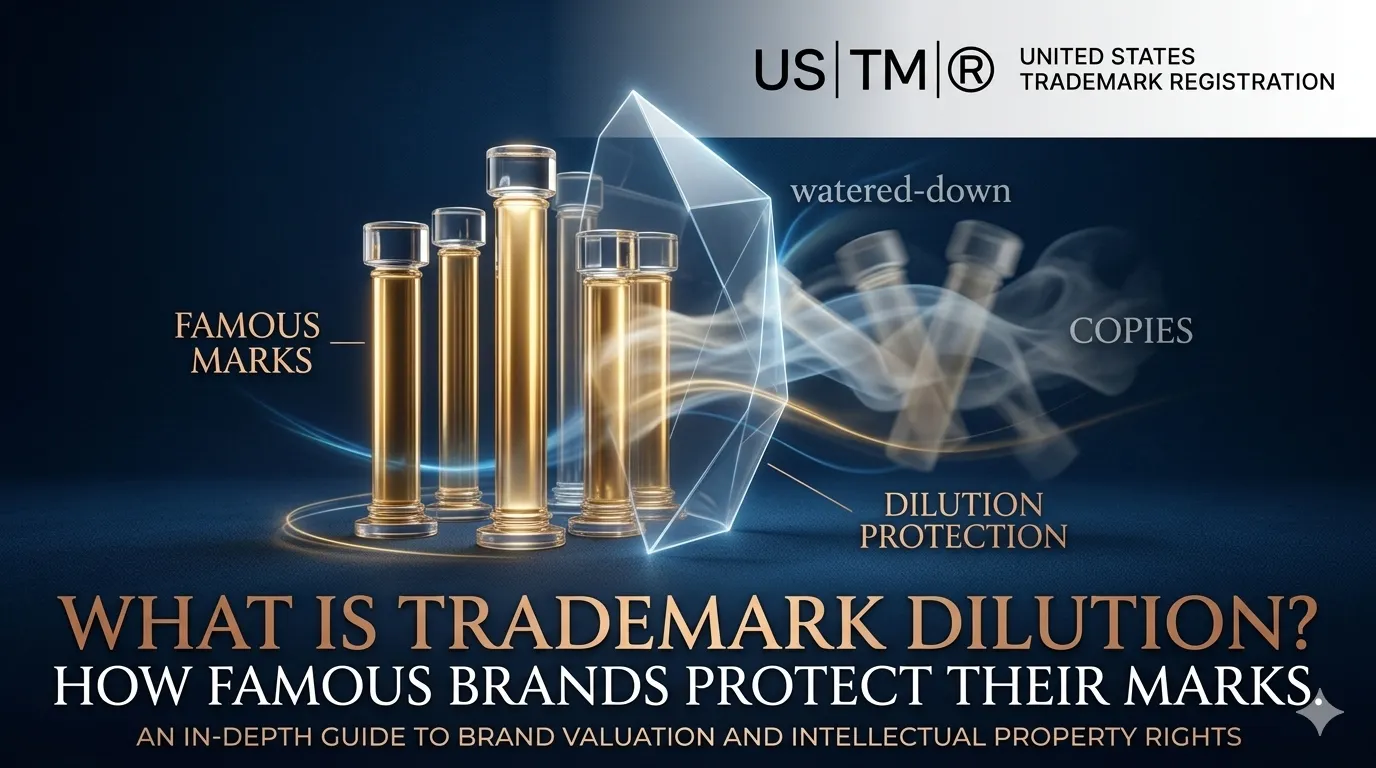
But what happens when a truly renowned brand faces a use that does not cause any consumer confusion at all, yet still harms the brand? A company that names its garbage truck service after a renowned luxury brand name, or an adult entertainment site that uses a beloved children’s brand name, creates harm that confusion-based trademark law does not fully address. The trademark dilution law was developed specifically for these situations.
The Legal Foundation of Trademark Dilution
Trademark protection solutions for famous marks include pursuing dilution claims under the Federal Trademark Dilution Act, which the Trademark Dilution Revision Act of 2006 substantially updated. This federal law lets owners take action against uses that weaken the distinctiveness of a famous mark, even if they cannot prove consumer confusion, competition between the parties, or actual economic harm.
Brand protection services relying on dilution law operate under a fundamentally different theory than standard infringement. The law recognizes that a famous mark represents something beyond just a source identifier. It represents goodwill, consumer associations, and brand equity built through years of investment and marketplace presence. Dilution law safeguards the accumulated value from external erosion.
The Two Types of Trademark Dilution
Intellectual Property Services professionals identify two distinct forms of trademark dilution that the Trademark Dilution Revision Act recognizes: blurring and tarnishment.
Dilution by blurring occurs when a third party uses a mark that is identical to or similar to a famous mark in a way that impairs its distinctiveness. Consumers who associate a renowned brand name with multiple unrelated businesses instead of a single source blur the mark. The unique association between the famous mark and its owner becomes less sharp. Factors courts consider in blurring claims include the degree of similarity between the marks, the degree of inherent or acquired distinctiveness of the famous mark, the extent to which the owner has exclusively used the mark, and the degree of recognition of the famous mark.
Dilution by tarnishment occurs when a third party uses a famous mark in an unseemly or degrading context that harms the positive associations consumers have with the mark. Using a famous family-friendly brand name for adult content, drugs, or criminal activity tarnishes the brand, even when consumers do not confuse the source. Courts have recognized tarnishment claims in cases involving sexual content, illegal activity, and other uses that harm the brand’s reputation.
The Famous Mark Requirement
Trademark Management Services are clear with clients about this threshold: dilution claims are only available for famous marks. The legal definition of famous under the federal dilution statute is demanding.
A mark qualifies as famous if the general consuming public in the United States widely recognizes it as identifying the source of the owner’s goods or services. This sets a high standard. Courts evaluate factors such as the duration, extent, and geographic reach of the mark’s advertising and publicity, the amount, volume, and geographic spread of sales under the mark, the degree of actual public recognition, and whether the mark holds federal registration.
Marks that are well known within a specific industry or region but not nationally famous do not qualify for federal dilution protection. The statute protects household names, not merely successful regional brands. Think of the brands whose names you would recognize without any context whatsoever. Those are the marks that typically qualify.
Dilution Claims Do Not Require Competition
Filing and registering a federal trademark strengthens a famous mark’s position in dilution claims, but dilution law’s most important feature is that it does not require competition between the parties. The third party using a famous mark does not need to be selling anything remotely related to the famous brand’s products for a dilution claim to succeed.
A company selling car washes under a name identical to a famous chocolate brand could face a blurring claim. A website using a famous athletic brand name to promote illegal activity could face a tarnishment claim. Neither involves competition with the famous brand in any traditional sense. Dilution law fills the gap that standard confusion-based infringement law cannot reach.
Defenses to Dilution Claims
Online Trademark Services clients sometimes face dilution claims and need to understand the available defenses. The Trademark Dilution Revision Act includes several statutory exclusions.
Fair use is the most significant defense. Comparative advertising that uses a famous mark to compare products, commentary, criticism, parody, and news reporting are all protected uses under the dilution statute. A comedian receives protection when they use a famous brand name in a parody performance. A journalist receives protection when they use a famous mark to report on the company. A competitor receives protection when they use a famous mark accurately in comparative advertising.
The fair use defense in dilution law does not protect all uses that borrow from a famous mark. A use that goes beyond commentary or parody and becomes commercial exploitation of the famous mark’s reputation does not qualify.
What This Means for Your Brand
united states trademark registrations and law Services (USTML) helps brands understand where their marks stand on the spectrum from ordinary trademarks to potentially famous marks deserving dilution protection. Building toward dilution protection requires consistent, exclusive use and substantial investment in brand recognition. Monitoring for both traditional infringement and dilution-level threats is part of comprehensive brand protection.
Frequently Asked Questions
Does my trademark need to be registered to bring a dilution claim?
You do not need federal registration to bring a dilution claim under the Trademark Dilution Revision Act, but registering the mark significantly strengthens your case. Registration provides legal presumptions of validity and ownership that are valuable in any trademark proceeding. Unregistered famous marks can bring dilution claims but face additional evidentiary burdens.
What is the difference between trademark infringement and trademark dilution?
Trademark infringement occurs when consumers are likely to confuse the source of goods or services because the marks are similar. Trademark dilution, in contrast, does not require consumer confusion. It protects the distinctiveness or reputation of a famous mark, even if no one is actually confused. Courts apply dilution law only to famous marks, while the infringement law covers all registered marks.
Can a small business be sued for trademark dilution by a famous brand?
Yes. The size of the infringing party is not a factor in dilution analysis. If a small business uses a name or mark that is identical or similar to a nationally famous mark in a way that blurs the famous mark’s distinctiveness or tarnishes its reputation, the famous brand can pursue a dilution claim regardless of the small business’s size.
How do courts determine whether a mark is famous enough for dilution protection?
Courts evaluate nationwide consumer recognition, the duration and extent of the mark’s use, the volume of sales under the mark, advertising reach, and evidence of actual recognition surveys. Regional fame is not sufficient. The mark must be recognized by the general consuming public of the United States, not just within a specific industry or geographic market.