

In 1957, a couple named Gene and Betty Hoots opened a small drive-in restaurant in Mattoon, Illinois.
They called it Burger King.
Eleven years later, a national chain with the same name sued them. That chain was, of course, Burger King. The case, Burger King of Florida v. Hoots, became one of the most cited trademark rulings in American business history.
Here’s the twist. The Hoots family had actually used the name first, years before the national chain ever expanded into their town.
They still lost almost everything.
The court let them keep the name, but only within a small radius around Mattoon. The national chain got the rest of the country, because they had registered the mark federally and the Hoots never did.
That’s the entire lesson in one sentence: using a name isn’t the same as owning it.
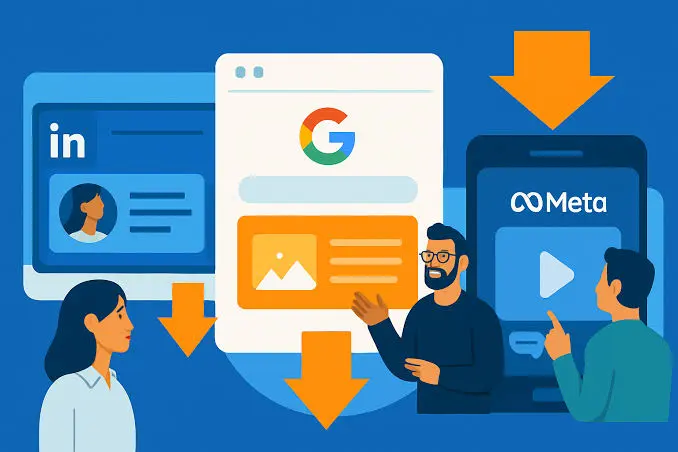
And today, that exact gap decides who wins disputes on Google, Amazon, Meta, and LinkedIn. It’s also the gap our team at USTML spends most of our time helping business owners close before it costs them something bigger.
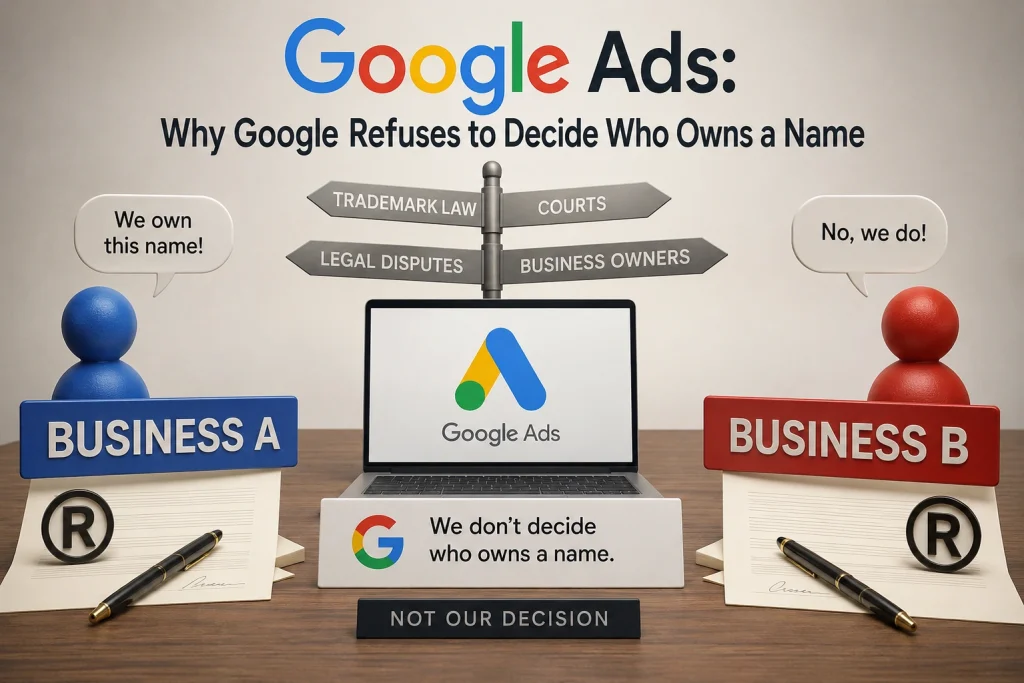
Google Ads: Why Google Refuses to Decide Who Owns a Name
Google does not police trademarks on its own.
It waits.
It waits for someone to file a complaint. Only then does it act.
If a competitor starts bidding on your brand name, or using it directly inside their ad copy, you have to find the ad yourself, document it, and submit a formal trademark complaint. Google’s legal team then reviews it manually. Depending on complexity, that review can take one to eight weeks.
Here’s the mistake almost everyone makes. They assume having a strong brand is the same as having a protected one.
To file a complaint that actually carries legal weight, you need a registered trademark tied to the country where the ad ran. Without it, you’re not filing a complaint backed by law. You’re filing a request Google has no real urgency to act on.
Imagine spending $40,000 building search traffic around your brand name, only to discover that Google won’t settle who actually owns it. That’s not a hypothetical. That’s what happens every week to businesses that never registered, and it’s usually the moment they end up calling USTML asking how fast this can be fixed.
What Happens If You’re the One Accused
This cuts both ways.
If you run comparison ads or resell someone else’s products, Google does allow trademark use in specific situations. Your landing page has to clearly disclose the relationship and provide real commercial information, not just borrow the name for clicks.
Get this wrong once, and you get a disapproved ad.
Get it wrong repeatedly, and Google’s enforcement model treats it as a pattern. Patterns lead to account suspensions. Not warnings. Suspensions.
Amazon Brand Registry: The Locked Door Sales History Can’t Open
If you sell physical products, this is the section to actually slow down for.
Amazon Brand Registry requires an active registered trademark, or at minimum a pending application, before you can even submit a request. No amount of five star reviews changes this. No amount of monthly revenue changes this.
Here’s why. Amazon isn’t protecting you out of generosity.
It’s protecting itself.
Counterfeit listings create refunds, chargebacks, angry customers, and legal exposure that lands back on Amazon, not just on you. Trademark ownership is the fastest, cheapest way for Amazon to confirm who’s real before a dispute ever reaches its support team. That’s the actual reason Brand Registry starts with paperwork instead of trust.
Why Exact Spelling Actually Matters
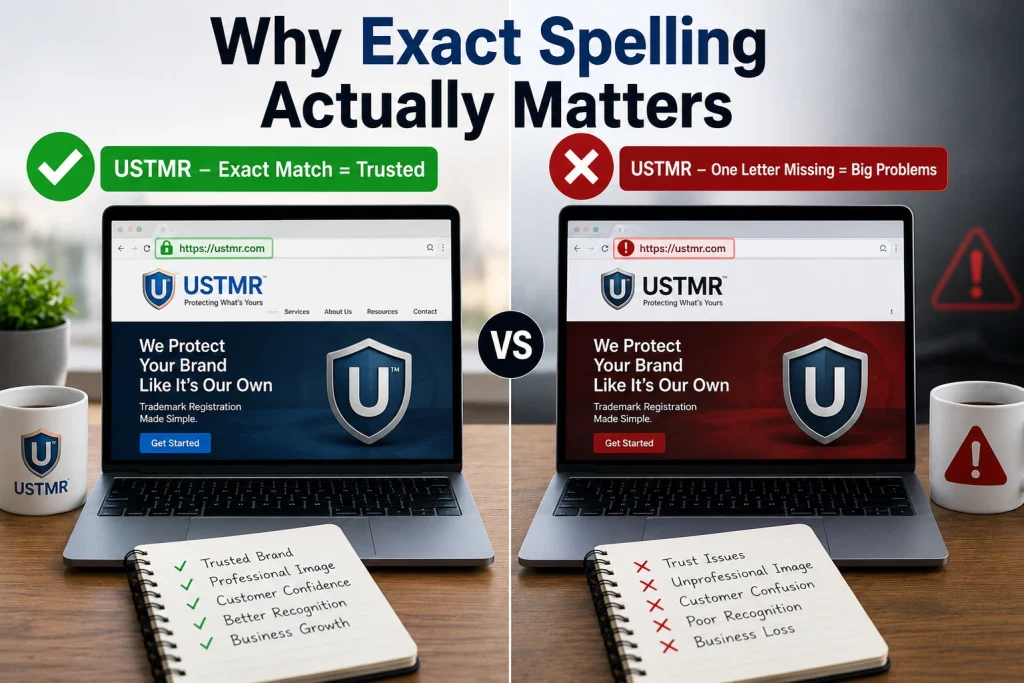
Amazon compares your trademark character by character.
Spaces matter. Hyphens matter. Even punctuation matters.
Imagine filing “North Star Labs” with a space, but launching your storefront as “NorthStar” without one.
Amazon sees two different brands.
Your application gets rejected, and you start the clock over. This exact mismatch is one of the most common reasons USTML sees Brand Registry applications bounce back on the first try.
The Payoff, If You Get It Right
Now compare that with what happens once you’re actually enrolled.
Amazon’s automated protection blocks the overwhelming majority of infringing listings before they ever go live. Violation reports from enrolled brands typically get resolved within about a day. Sellers without registration wait weeks for the same fix, if they get one at all.
Over 130,000 brands are currently enrolled in the program. Every one of them cleared the trademark requirement first.
This Is Where Timing Gets Expensive
A full USPTO registration typically takes nine to twelve months from filing to approval.
Sellers who wait until their product is already selling well before thinking about trademarks often find themselves stuck for months, locked out of the exact tools that would help them fight counterfeiters, while their unprotected listings sit exposed the entire time.
Filing early through USTML’s trademark registration service is what starts that clock working for you instead of against you.
Running a free trademark search on USTML first tells you whether your name is even available before you spend a year waiting on it.
LinkedIn and Meta: Most Disputes Aren’t About Trademarks
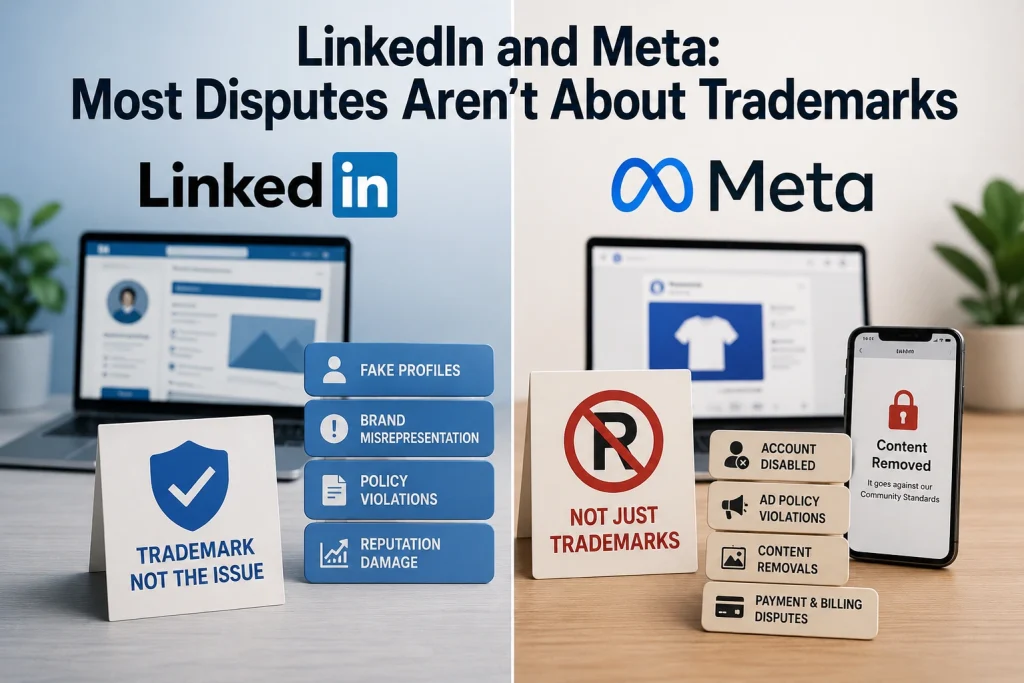
Most LinkedIn brand disputes aren’t actually about trademarks.
They’re about control.
A founder leaves a company and starts a competitor under a nearly identical name. An agency that built a client’s page refuses to hand over admin access after a falling out. Two unrelated companies discover they’ve both been using the same name in different industries.
When these fights escalate far enough that LinkedIn has to step in, a trademark certificate settles the question instantly. Login history and old screenshots don’t.
The same pattern shows up on Instagram and inside Facebook Business Manager. Impersonation accounts copying your handle, your bio, and your product photos tend to appear right when a brand starts gaining real traction, not before. Meta’s reporting tools move faster when the person filing the report can point to documented legal ownership instead of just asserting it.
YouTube and TikTok Are Copying Amazon’s Playbook
Cloned YouTube channels reuploading entire video libraries under lookalike branding are a growing problem for creators with real audiences. YouTube’s brand impersonation tools give registered trademark holders a noticeably faster path through takedowns than creators trying to prove informal rights with dates and screenshots.
TikTok Shop is now following the exact model Amazon built. Documented brand ownership is increasingly the gate to premium seller features and fast dispute resolution.
Businesses that treated registration as optional are the ones getting locked out of the newest sales channels first.
A Few Terms Worth Knowing Before You File
If you’re new to this, a handful of terms come up constantly once you start the process, and it’s worth understanding them before you talk to anyone about filing.
An intent-to-use filing lets you claim a name before you’ve officially launched, as long as you can show a genuine plan to use it. You’ll usually formalize this later with a statement of use once your product or service is actually live. This is one of the most common questions USTML gets from founders who are pre-launch but already spending on marketing.
Common law trademark rights are what businesses like the Hoots family relied on. They only protect you in the specific area where you can prove use, which is exactly why they lost the national fight to Burger King.
And once you do register, the work isn’t finished. Registrations need to be actively maintained through renewal, and many businesses use ongoing trademark monitoring, a service USTML runs continuously in the background, to catch competitors filing similar names before they become a real problem.
Marketing Creates Attention. Trademark Determines Who Keeps It.
Go back to Gene and Betty Hoots one more time.
They weren’t careless. They built a real, successful restaurant that their community genuinely recognized by name.
What they lacked wasn’t effort. It was documentation.
That exact gap is still deciding outcomes today, just on different battlefields. Every click, every follower, every five-star review, every Amazon listing, and every ranking on Google is attached to a name.
Conclusion
If that name isn’t legally yours, you’re not building an asset. You’re investing in something someone else can challenge and take from you later, after you’ve already paid to make it valuable.
Register the name before you spend another dollar making it worth fighting over. If you’re not sure where you stand, USTML can tell you in minutes with a free search and take the filing off your plate entirely from there.