

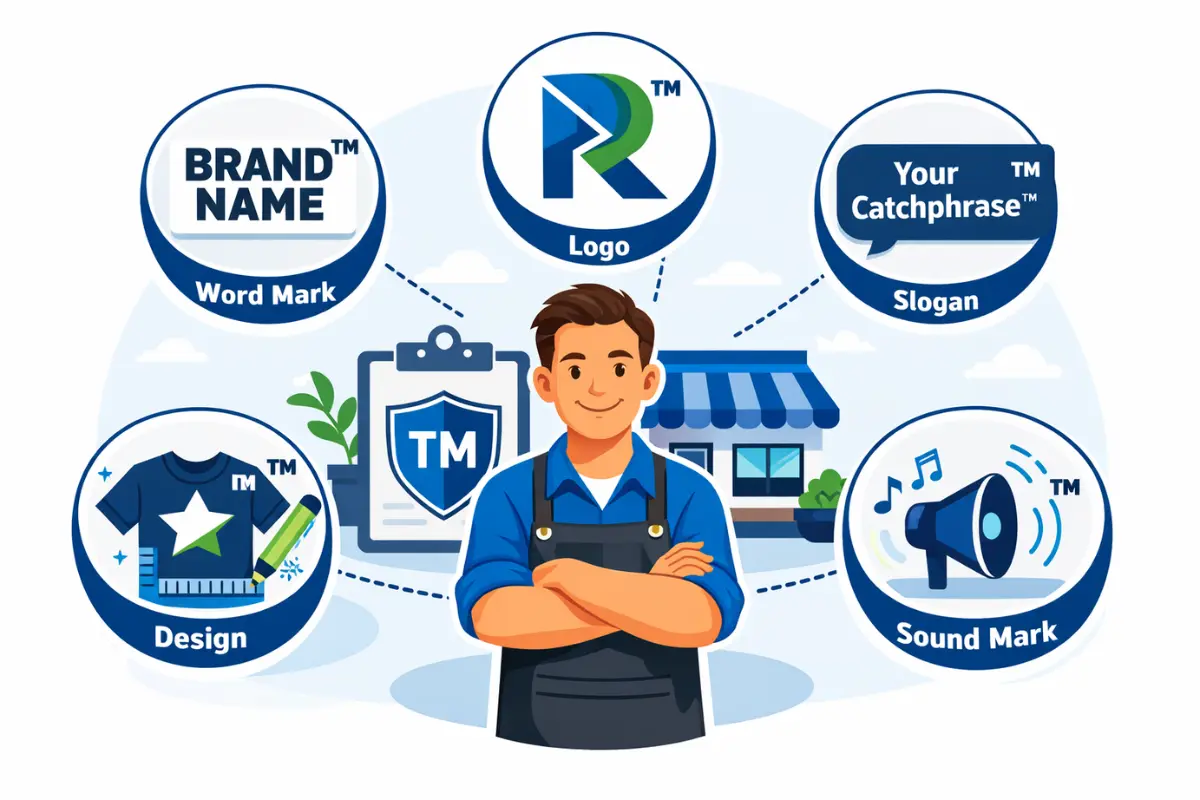
Most founders assume trademark services simply mean filing a name with the USPTO.
That assumption is wrong.
In reality, trademark services cover a full legal and strategic process that begins long before filing and continues long after registration. The value is not just in submitting an application. It is in reducing rejection risk, avoiding conflicts, and building enforceable brand protection.
This is why structured providers of trademark services are increasingly used by startups, e-commerce sellers, and scaling brands that cannot afford branding mistakes early in growth.
A structured overview of professional trademark services by united states trademark registrations and law (USTML) is available below for reference.
Trademark services begin with legal availability analysis, not filing
The first and most important function of trademark services is clearance analysis.
This step evaluates whether a proposed brand name already exists in a similar form within the same or related class of goods or services. The USPTO does not only reject identical names. It also rejects marks that create a likelihood of confusion based on commercial impression.
This is where most self-filed applications fail. Businesses choose names based on availability in domains or social media, not trademark databases.
Professional trademark services use USPTO search logic to assess:
- phonetic similarity
- visual similarity
- conceptual similarity
- related goods classification
Every trademark application must be filed under specific classes of goods or services.
This reduces the risk of refusal under Section 2(d) of the Lanham Act.

Classification strategy is a critical part of trademark services
The USPTO uses 45 international classes to organize protection. Goods fall under classes 1 to 34. Services fall under classes 35 to 45.
Incorrect classification is one of the most common reasons applications face office actions or enforcement issues later.
For example, a brand selling software may incorrectly file under “technology services” instead of “software as a product,” which changes enforcement scope entirely.
USTML’s professional trademark services structure classifications are based on:
- current product line
- future expansion plans
- enforcement strategy across categories
- USPTO acceptable identifications
This is not administrative work. It directly impacts legal protection strength.
Filing strategy affects approval probability at the USPTO
Trademark services also determine filing basis and legal positioning.
The USPTO allows two main filing bases:
- use in commerce
- intent to use
Choosing the wrong basis or providing weak evidence of use can delay or weaken applications.
Services also handle:
- specimen preparation (proof of use)
- description refinement for acceptance
- response planning for office actions
These steps directly influence whether a mark gets registered or stalled in examination.

Trademark services include conflict monitoring after filing
Most businesses think trademark protection ends at registration. In practice, enforcement begins after filing.
Monitoring services track:
- similar trademark applications
- competing brand filings in the same class
- potential confusingly similar marks
This is important because the USPTO does not proactively block all conflicts. Third parties can still attempt to register similar marks unless opposed.
Monitoring allows early intervention before conflict becomes a legal dispute.
Why do trademark services matter more for e-commerce and digital brands?
Digital-first businesses face higher trademark risk due to fast market duplication cycles.
On platforms like Amazon, Shopify, and Etsy:
- products scale quickly
- branding is easy to replicate
- search visibility drives competition
- customers rely on name recognition more than company identity
This creates conditions where weak trademarks are copied within weeks of success.
Trademark services help structure brand protection early so enforcement is possible when scaling occurs.
Real buyer decision factors when choosing trademark services
Most business owners evaluate trademark services based on cost alone, but experienced brands focus on legal strength and risk reduction.
Key evaluation factors include the following:
- accuracy of trademark clearance search
- classification strategy quality
- USPTO rejection response capability
- post-filing monitoring support
- enforcement readiness for marketplaces
Low-cost filing-only services often skip these steps, which increases long-term risk.
What USTML trademark services actually prevent?
Well-structured trademark services reduce exposure to:
- USPTO refusal under likelihood of confusion
- competitor brand conflicts after launch
- Amazon Brand Registry ineligibility
- costly rebranding after market traction
- loss of brand identity during scaling
The goal is not just approval. It is long-term enforceability.
Conclusion
Trademark services are not a filing shortcut. They are a structured legal and strategic process that determines whether a business owns a defensible brand or just a market presence.
For growing companies, especially in e-commerce and brands with the most digital exposure, the difference becomes critical once scaling begins.
USTML’s structured trademark services help convert early brand names into enforceable intellectual property assets instead of temporary market identifiers.
Explore early expert protection here.