

Understanding Intellectual Property Protection
Intellectual property (IP) protection is essential for businesses, creators, and inventors to safeguard their work. However, understanding the differences between trademarks, copyrights, and patents is crucial to selecting the right form of protection. Each serves a unique purpose and offers different legal benefits. Without proper legal protection, businesses and individuals risk losing control over their brands, inventions, and creative works, leading to potential financial and reputational damages.
What Is a Trademark?
Definition and Purpose
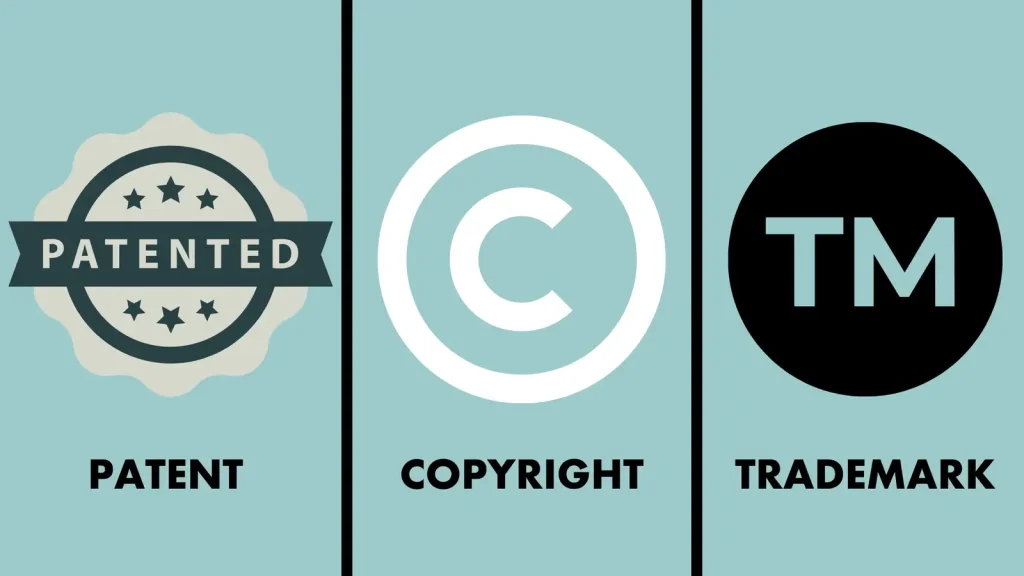
A trademark is a recognizable sign, design, or expression that distinguishes a business’s goods or services from those of others. Trademarks protect brand identity and help build consumer trust. A strong trademark helps businesses establish brand recognition, ensuring customers can easily identify products or services.
What Can Be Trademarked?
- Business names
- Logos and slogans
- Product names
- Unique symbols or designs
- Sounds or jingles associated with a brand
- Distinctive packaging, also known as trade dress
How Long Does a Trademark Last?
A trademark can last indefinitely as long as it is actively used and properly maintained through periodic renewals. Unlike other intellectual property protections, a trademark remains valid as long as it is not abandoned and continues to be associated with a business or product.
Trademark Registration Process
- Conduct a trademark search to ensure availability.
- Apply with the United States Patent and Trademark Office (USPTO).
- The USPTO reviews and publishes the application.
- If no oppositions arise, the trademark is officially registered.
- Trademark owners must file maintenance documents periodically to keep the protection active.
What Is Copyright?
Definition and Purpose
A copyright protects original works of authorship, granting the creator exclusive rights to use and distribute their work. Copyright law ensures that creators have control over how their works are reproduced, distributed, and displayed to the public.
What Can Be Copyrighted?
- Books and articles
- Music and lyrics
- Paintings, sculptures, and photographs
- Software and video games
- Movies and television shows
- Architectural designs
- Digital content such as blogs, videos, and websites
Copyright Duration
Copyrights last for the creator’s lifetime plus 70 years after their death. For works created under corporate authorship, protection lasts 95 years from publication or 120 years from creation, whichever is shorter. Copyright duration ensures that creators and their heirs benefit from their intellectual property for an extended period.
Copyright Registration Process
While copyright protection is automatic upon creation, registration with the U.S. Copyright Office strengthens legal claims in case of infringement. Registered copyrights provide stronger legal standing in court, allowing for statutory damages and attorney fees in lawsuits.
What Is a Patent?
Definition and Purpose
A patent grants inventors exclusive rights to their invention, preventing others from making, using, or selling it without permission. Patents drive innovation by rewarding inventors with legal protection for their groundbreaking ideas.
Types of Patents
- Utility Patents – Protect new inventions, processes, or machines.
- Design Patents – Cover unique ornamental designs of a product.
- Plant Patents – Protect new, asexually reproduced plant varieties.
How Long Does a Patent Last?
- Utility patents: Up to 20 years from the filing date.
- Design patents: 15 years from issuance.
- Plant patents: 20 years from filing.
Patent Registration Process
- Conduct a patent search to check novelty.
- Prepare a detailed patent application.
- Submit to the USPTO for review.
- The USPTO examines and, if approved, issues a patent.
- Patent holders must pay periodic maintenance fees to keep their patents valid.
Key Differences Between Trademark, Copyright, and Patent
| Feature | Trademark | Copyright | Patent |
| Protects | Brand identity (names, logos, slogans) | Creative works (books, music, art) | Inventions and processes |
| Duration | Indefinite with renewal | Life of creator + 70 years | 15-20 years |
| Registration | USPTO | U.S. Copyright Office | USPTO |
| Example | Nike swoosh logo | Harry Potter books | iPhone technology |
Frequently Asked Questions (FAQs)
1. Can a single product be protected by a trademark, copyright, and patent?
Yes. For example, a software program can have a copyright for the code, a trademark for its brand name, and a patent for a unique algorithm or feature. Many products benefit from multiple layers of IP protection to maximize security.
2. Is registering a trademark or copyright required for protection?
While trademarks and patents require registration for legal enforcement, copyright protection is automatic upon creation but can be registered for additional legal benefits. Registration provides stronger evidence in case of infringement lawsuits.
3. What happens if someone infringes on my intellectual property rights?
If your IP is used without permission, you can take legal action. For trademarks, this may involve cease-and-desist letters or lawsuits. Copyright and patent infringement cases often result in financial penalties or court-ordered restrictions. It is important to enforce your IP rights to prevent unauthorized use and protect your brand or invention.
Final Thoughts
Understanding the differences between trademarks, copyrights, and patents ensures you choose the right protection for your intellectual property. Whether safeguarding your brand, creative work, or invention, proper legal protection helps prevent unauthorized use and supports business growth. Legal protections not only secure financial benefits but also encourage innovation and artistic expression.
For expert guidance on trademark registration, visit USTML today and secure your intellectual property!