


All brands need to be protected. Your brand, logo and name lead to recognition and trust. Without this protection, others can steal or weaken this. That’s where trademark registration services are crucial for entrepreneurs and businesses. Many businesses delay this step. They put initial growth ahead of legal matters. That approach creates risk. Disputes can trigger a rebrand, impede growth, and hurt reputation. Protection avoids that and enhances positioning.
What’s involved in Trademark Registration Services?
Entrepreneurs often believe that trademark registration involves filling out a form. But there are a number of steps involved that need to be done carefully. Trademark registration firms do this in an organised and legal manner. Typically, the process begins with a clearance search. This is a search to see if there are similar trademarks. This is more than name matching, it also looks at similar sounding and looking names. This minimises risk of rejection. Once cleared, the application process starts. This includes designing the mark, choosing the right classes and identifying goods/services. This is important as mistakes make for long-term constraints.
Then, the application is examined. In the US, this is through the United States Patent and Trademark Office (USPTO). The examiner checks for conflicts, descriptiveness and compliance. If there are problems, they will issue an office action.
The last step is publication and opposition. If there are no objections, the trade mark is registered. This entire process demands an understanding of the law and time management, so many entrepreneurs seek assistance.
The process step by step of Trademark Registration
Trademarking is a journey with a process. Starting with research and finishing with protection. Each step has its own significance.
The first is about clearance and risk assessment. A solid search helps to spot conflicts. This saves you time, money and effort. This is the main reason for rejections.
The second step is filing the application. This involves choosing trademark classes and business activities. This can affect the strength and flexibility of the trademark.
Then there’s the trademark office’s examination. The examiner searches for legal problems and conflicts with similar marks. If there are any issues, you have a limited time to respond.
If approved, the mark is published. At this stage, it can be opposed by others. If there is no opposition, the mark will be registered.
But the process doesn’t stop once it’s approved. You need to keep it and show that you are using it. Trademark registration companies may provide renewal and other services to maintain protection.
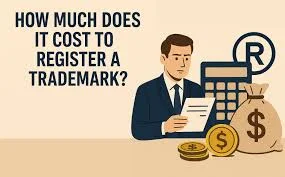
What’s the cost of Trademark Registration?
Price is a question that founders often have. There are two types of fees: government fees, and professional fees.
Fees vary based on classes and country. In the US, there is a fee for each class. Multiple class applications cost more.
Professional fees vary. Simple classes are cheaper, multi-class or international classes are more expensive. But expert advice can save time and money down the track.
There can be hidden costs as well. These might be a response to an office action or a response to an opposition, or rectifying an error. These are often overlooked by founders.
The cost of trademark registration services is an investment. It safeguards brand value and helps minimise legal costs.
More than Just Legal Benefits
Registering a trademark is more than a name. It provides a valuable business resource for growth and value. Registered trademarks provide ownership of your brand. This stops others from using confusingly similar marks. It also enhances your ability to fight infringements.
It enhances customer and partner trust. Retailers, marketplaces and investors inquire about trademarks. An established mark conveys legitimacy.
It also adds to the company’s value. Trademarks are considered intellectual property. Good protection boosts bargaining power in financing or sale.
The second is enforcement. Trademarks enable quicker takedowns and effective enforcement. This can be a game changer in competitive industries.
Common mistakes founders make during Trademark Registration
Founders often think filing a trademark is an easy process. This result in mistakes that are costly in the long run.
For example, not conducting clearance searches. This causes conflicts and a refusal during examination. It can lead to disputes in the future.
Another problem is wrong classification. Using the incorrect class reduces coverage. It can create loopholes others can use.
Founders sometimes wait too long. This lets others beat you to the punch. This may lead to legal issues and rebranding.
Using standard forms is also a no-no. Every business is different and there is no one size fits all. That’s where trademark registration services are beneficial.

When to use Trademark Registration Services
Every business doesn’t require sophisticated legal advice. But there are some cases where you need help.
If your brand is in multiple categories, classification is complicated. Also, if you are going global, filing strategy needs to be co-ordinated. If there’s risk in your brand name, legal analysis is crucial.
Legal advice is also important to respond to office actions. Responses need to be legal and argued. Poor quality responses can be rejected.
For many early growth startups, trademark registration services enhance efficiency and minimize risk. This enables founders to concentrate on growth while the professionals take care of the legal aspects.
Globalisation and trademark strategy
Many businesses go international as they grow. And trademark protection must follow.
Every country is independent. Your registration is not valid in other countries. This is a risk when expanding internationally.
Initiatives such as the World Intellectual Property Organization make international filing easier. They enable applications in multiple countries via one process.
But planning is important. Register it for what you will use it for. Filing too much raises costs and risks. Filing too narrowly limits protection.
Again, trademark registration services can help.

Importance of trademarks for funding and scaling
Investors care about intellectual property. As part of their due diligence, they examine trademark ownership, rights and status. A registered trademark reduces risk. It shows that the brand is protected and scalable. It also prevents future legal disruptions.
If a startup lacks proper trademark structure, investors may delay funding. They may also reduce valuation risk exposure. This makes trademarks a core part of growth strategy. They are not just legal tools. They are business assets that support long term expansion.
Conclusion
Trademark protection is no longer optional for serious brands. It plays a direct role in growth, trust, and valuation. The process may seem complex, but it becomes manageable with the right structure.
Trademark registration services simplify this journey. They reduce risk, improve accuracy, and ensure compliance at every stage. For founders who want to build defensible brands, this is a strategic investment, not just a legal step.
When you approach trademarks with planning and precision, you protect more than a name. You protect the future of your business. Let USTML handle this for you.