

Why Trademark Registration Matters
A trademark is essential for safeguarding your brand’s identity, ensuring exclusivity, and preventing unauthorized use by competitors. Trademark registration provides legal rights that help protect business names, logos, and slogans, ultimately establishing brand credibility and customer trust. Without trademark protection, businesses risk potential infringement issues, leading to financial losses and damage to reputation.
What Is a Trademark?
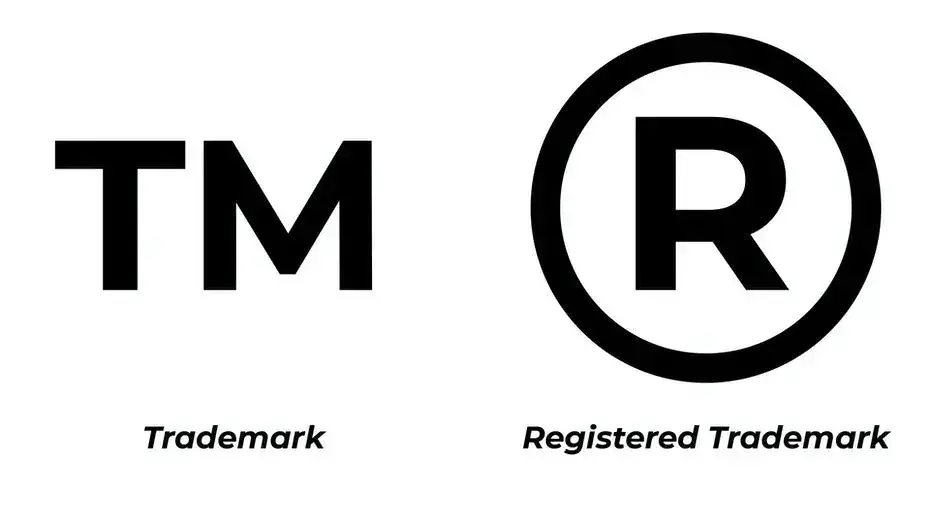
A trademark is a distinctive sign, symbol, phrase, or design that identifies and distinguishes a brand’s goods or services from others in the marketplace. Trademarks play a crucial role in brand recognition and consumer loyalty, offering businesses a competitive edge.
Benefits of Trademark Registration
- Exclusive Rights: Registered trademarks grant exclusive usage rights in commerce.
- Legal Protection: Enables legal action against unauthorized use.
- Brand Recognition: Strengthens credibility and consumer trust.
- Asset Value: Increases the financial worth of a business.
- Nationwide Protection: Extends legal coverage across the U.S.
- Deters Infringement: Discourages others from using similar branding.
What Can Be Trademarked?
Businesses can trademark various brand elements, including:
- Business names (e.g., “Nike”)
- Logos and symbols (e.g., Apple’s iconic Apple logo)
- Slogans or taglines (e.g., “Just Do It”)
- Product names
- Distinctive packaging or trade dress
- Sounds or jingles associated with a brand

How Long Does a Trademark Last?
Unlike patents or copyrights, trademarks do not expire if properly maintained. A registered trademark remains valid as long as it is actively used in commerce and renewed at required intervals. Typically, renewal filings are due between the 5th and 6th year, followed by subsequent renewals every 10 years.
Trademark Registration Process
Step 1: Conduct a Trademark Search
Before applying, it is crucial to perform a comprehensive trademark search to check for existing trademarks. This ensures that the proposed trademark does not infringe on another registered trademark, reducing the risk of application denial or legal disputes.
Step 2: File an Application with the USPTO
The United States Patent and Trademark Office (USPTO) handles trademark registrations. Applicants must submit an online application through the Trademark Electronic Application System (TEAS), providing details such as:
- Owner’s name and business entity
- Description of the goods/services associated with the trademark
- Trademark representation (word, logo, or design)
- Basis for filing (actual use or intent to use)
Step 3: USPTO Examination and Publication
After submission, a USPTO examining attorney reviews the application. If no objections arise, the trademark is published in the Official Gazette, allowing the public to contest the registration within 30 days.
Step 4: Final Approval and Registration
If no oppositions are filed, the USPTO issues an official certificate of registration. For intent-to-use applications, applicants must provide proof of use before final approval.
Common Reasons for Trademark Rejections
- Likelihood of Confusion: Similarity to an existing registered trademark.
- Generic or Descriptive Marks: Terms too broad or lacking distinctiveness.
- Improper Classification: Incorrectly categorized goods or services.
- Failure to Use in Commerce: Lack of proof showing actual brand usage.
- Offensive or Deceptive Content: Misleading or inappropriate trademark applications.

How to Maintain Your Trademark
To keep trademark protection active, owners must:
- File a Declaration of Use between the 5th and 6th year.
- Renew the trademark every 10 years.
- Monitor and enforce trademark rights to prevent infringement.
Failing to renew or actively use the trademark can result in cancellation.
Cost of Trademark Registration
Trademark registration costs vary based on application type:
- TEAS Plus Application: $250 per class of goods/services
- TEAS Standard Application: $350 per class
- Additional Attorney Fees (if applicable)
These fees cover federal registration and do not include ongoing maintenance costs.

Frequently Asked Questions (FAQs)
1. Can I trademark a name without a logo?
Yes, a business name can be trademarked without a logo. This is known as a word mark, which protects the brand name regardless of font, color, or style.
2. How long does the trademark process take?
The registration process typically takes 8-12 months, depending on application complexity and potential objections.
3. What happens if someone infringes on my trademark?
Trademark owners can enforce their rights through cease-and-desist letters, legal action, or USPTO complaints. Registered trademarks provide stronger protection in legal disputes.
4. Can I trademark a phrase or slogan?
Yes, slogans and taglines can be trademarked as long as they are distinctive and associated with a specific brand or product.
5. Do I need a lawyer to file a trademark?
While not required, hiring a trademark attorney can help ensure the application process runs smoothly and reduces the risk of rejection or legal issues.
6. Can I trademark my business internationally?
A U.S. trademark only provides protection within the United States. To secure international rights, businesses must file applications in other countries through the Madrid Protocol or individual national trademark offices.
Final Thoughts
Registering a trademark is a vital step in protecting your brand and ensuring exclusive rights over your business identity. From securing legal protections to establishing long-term brand recognition, trademarks serve as valuable assets for any business. For expert assistance with trademark registration, visit USTML today and safeguard your intellectual property!
For personalized assistance with trademark registration, contact our experts at USTML today!