

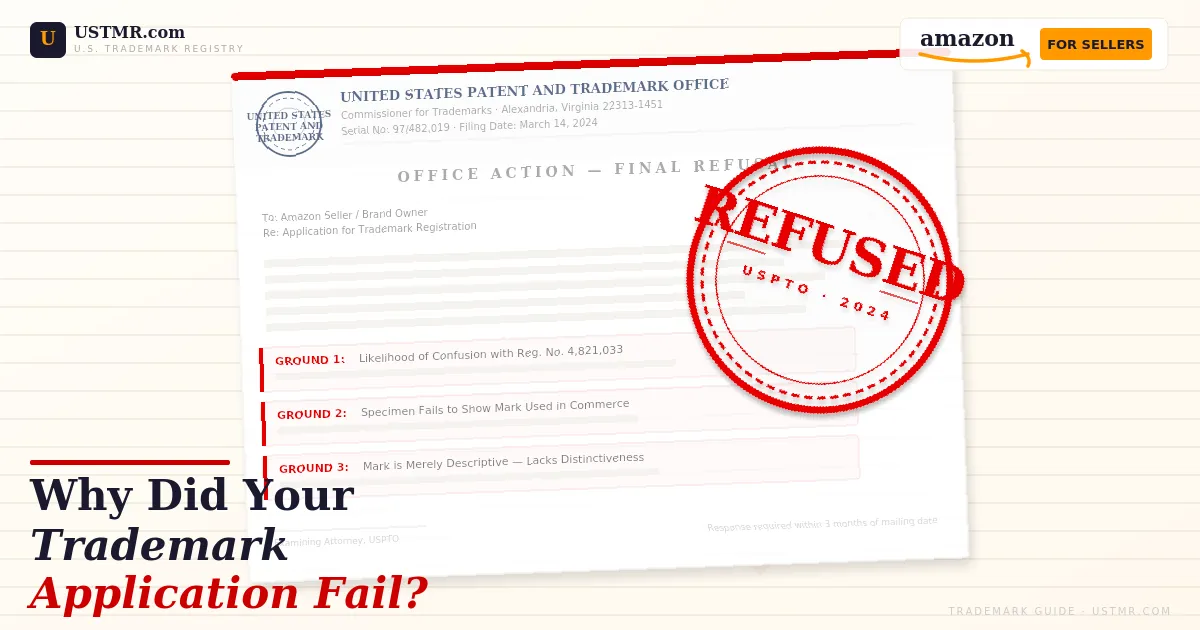
Amazon Brand Registry has made trademark registration essential for serious sellers. It unlocks A+ content, brand analytics, sponsored brand ads, and protection against listing hijackers. But the path from “I need a trademark” to “I have one that works” is where thousands of Amazon sellers go wrong every year. Most failures are avoidable. They follow predictable patterns that a proper trademark registration service catches before an application goes in. Here is what goes wrong and why.
The Amazon Brand Registry Requirement
Amazon Brand Registry requires an active, registered trademark from a recognized trademark office. A pending application is not enough for full Brand Registry access, though Amazon does offer an IP Accelerator program that provides limited early access through participating law firms.
The trademark must cover the goods sold on Amazon and be registered in the country where the seller wants Brand Registry protection. A U.S. trademark registration is required for Brand Registry on Amazon.com. Sellers operating across multiple Amazon marketplaces need registrations in each corresponding jurisdiction.
The serial number alone does not satisfy Amazon Brand Registry requirements. The registration certificate is what Amazon wants. That distinction matters when sellers are planning around timelines.
Wrong Classification
Amazon sellers frequently file in the wrong trademark class. The USPTO uses the Nice Classification system, which divides goods and services into 45 categories. Filing in the wrong class means the registration does not cover the actual products being sold.
A common example: a seller offering phone accessories files in Class 9, which covers electronics and technology goods, but their specific accessory should be in Class 9 with a more precise description, or potentially span multiple classes. The mistake is not always the class itself but the identification of goods within it.
Amazon checks that the trademark covers the specific goods listed in the seller’s storefront. A registration that covers “electronic goods” but not the specific product category the seller operates in may not satisfy Brand Registry requirements even after registration.
Specimen Failures for E-Commerce Sellers
E-commerce sellers face specific specimen challenges because their product exists primarily online. The USPTO requires specimens showing the mark in active commercial use, and digital commerce creates particular opportunities for mistakes.
The most common e-commerce specimen rejections:
- Mockup product images: Rendered composites of a product that has not actually shipped to a customer. Amazon listing images that show a design concept rather than the actual product in commerce.
- Screenshots without a purchase mechanism: A product image with the brand name but no visible Add to Cart button, price, or other indication of an active sale.
- Pre-launch landing pages: Pages collecting email signups for a product not yet available on Amazon or elsewhere.
- Internal inventory photos: Photos taken in a warehouse or fulfillment center that show the product but not in a consumer-facing commercial context.
An Amazon product listing screenshot showing the brand name, product image, price, and Add to Cart button is generally an acceptable specimen for goods sold through e-commerce. Getting this right at the time of filing saves months of delay.
Timing Mistakes
Amazon sellers under pressure to access Brand Registry features often make timing mistakes that cost them. Two common scenarios:
Filing too late: A seller launches on Amazon, builds sales volume, and then files for trademark protection. During the months the application is pending, listing hijackers operate freely. Brand Registry access is delayed until registration, which takes 8 to 12 months minimum.
Filing without a product live: A seller files use-in-commerce before their product is actually available on Amazon. The specimen submitted does not show a real, live listing. The application gets a specimen office action and loses months.
The right sequence: file the intent-to-use before launch to lock in the priority date, then submit the Statement of Use with a live Amazon listing screenshot once the product is active. This sequence protects the brand from day one and produces a valid specimen when it is needed.
Using the Wrong Name
Brand Registry ties the trademark to the exact brand name used in the Amazon storefront. If the trademark registration covers “Apex Gear” but the Amazon store operates as “ApexGear” with no space, Amazon may flag a mismatch.
This sounds like a minor issue. Amazon treats it as a material one. The name on the trademark registration and the name displayed in the Amazon brand storefront need to align. We review brand name consistency as part of our application preparation to prevent this problem.
What Amazon Sellers Should Do Before Trademark Filing?
A few steps taken before filing prevent the most common failures:
- Run a comprehensive conflict search to confirm the brand name is available in the relevant product class
- Confirm the exact brand name matches what is used in the Amazon storefront
- Identify the correct trademark class for the specific products sold, not just the general product category
- Prepare a valid specimen before filing if applying on a use-in-commerce basis
- File intent-to-use before launch if the product is not yet live on Amazon
We Work With Amazon Sellers Specifically
At united states trademark registrations and law (USTML), we understand the Brand Registry requirements and the specific specimen and classification issues that affect e-commerce sellers. Our trademark application services are built around getting the application right the first time, not just getting it filed.
We offer online trademark services that walk Amazon sellers through classification, specimen preparation, and filing basis selection before submission. Our trademark protection solutions are designed for sellers who need a registration that actually works for Brand Registry, not just a pending serial number.
Start with our free trademark search to check availability in your product class. Then our trademark registration process handles the rest, from application preparation through the registration certificate Amazon requires.