


Brand infringement doesn’t start with an alert, it starts with brand theft
When most business owners think of brand theft, they think it’s dramatic. A knock off logo. A knock-off product on the market. A case of “me too”.
In most cases, trademark infringement has a humble beginning.
A similar name is applied for at the United States Patent and Trademark Office. Or a rival starts using a similar name in another state. Or someone sets up a product listing on a marketplace that is “good enough” to draw attention and not ring alarm bells.
By then it’s in full swing.
This is where trademark monitoring services make a difference. They don’t prevent the copy in the first place. They stop you from finding it too late to be able to do anything about it.
How trademark monitoring can save you?
Trademark monitoring is sometimes confused with “alert emails”. It’s more accurately described as a “canary in the coal mine”.
It mainly catches the following two types of threats:
First, new trademarks that are similar to yours. These are the most insidious as they may result in registration of a conflicting trademark if not opposed.
Second, infringements of your brand or similar names in commercial use in marketplaces, websites or listings.
It’s a matter of timing. Monitoring doesn’t wait until widespread damage has occurred. It catches early signs and not bread and butter.
The 30 days window businesses don’t expect
After a trademark application is published in the United States Patent and Trademark Office’s (USPTO) Official Gazette, there is a 30-day period for opposition.
This is when other trademark owners can oppose the application if they believe it is confusing or infringes on their trademark.
Without trademark monitoring service, you won’t even be aware of an application. And once that opportunity passes, it will be much more time consuming and costly for you to object.
This is where we get to the need for monitoring. It is not about responding after it has been registered. It is about doing something in the short time frame that we may legally prevent conflicts.

Why small businesses are at greater risk as compared to big brands?
Big brands are unlikely to miss any trademark infringements, as they have lawyers or monitoring programs in place.
Small businesses are different.
They are looking after their growth, promotion, development, and survival. Generally, intellectual property protection takes a back seat until there is a problem.
But this leaves a problem. A competitor can register a similar trademark, start making inroads, and gain footholds before the original company is even aware of the problem.
By the time the conflict is found, they are no longer “new.” They are old enough that it’s more difficult and costly to remove.
Monitoring overcomes this by enabling early detection.
What a good trademark monitoring service will monitor?
There are different types of monitoring systems. Most just look for exact matches. This is insufficient in the real world of trademarks.
Real monitoring looks at:
- New applications that are similar in spelling, pronunciation or meaning
- Similar, but not identical, marks that could create a “likelihood of confusion”
- Business usage cues on the internet
- Similar marks in related classes that may be confusing
This is important because trademark law does not protect against identical copies. It protects against confusion in the marketplace.
A name does not have to be exactly the same. It just has to be similar to the point where consumers might think they’re related.
When trademark monitoring works: The early warning system
The purpose of monitoring isn’t alert. It is response time.
Once you’ve spotted a potential problem with a conflicting trademark application, you have two main choices.
First, there is opposition during the USPTO publication period. This is the legal opposition period, where actual use or brand rights can block the conflicting mark from registering.
The second is early cease-and-desist in instances of infringement before actual registration takes place.
Both of these are more effective the sooner they occur. Once a conflicting trademark is registered and in use, the costs to resolve the issue are significantly higher, and often involve litigation.
The cost of missing trademark monitoring alert
Most costly brand protection errors don’t occur because companies missed the big picture. They are caused by a delayed discovery.
If someone else’s trademark is permitted to register, the original brand could:
- Forced rebranding
- Loss of marketplace listings
- Legal actions to invalidate the conflicting mark
- Confusion among customers that degrades the brand
At this point, the only solution to the problem is no longer monitoring. It’s an attorney fix. This is what takes a potentially avoidable problem and creates an expensive issue.
Trademark monitoring is vital for brands’ growth
Young brands can be mistakenly lured into thinking monitoring is only relevant for big brands. In fact, it’s just the opposite.
Big brands can manage brand disputes. Small businesses cannot.
If your brand is in the early stages of development, any degree of confusion can slow brand growth. If the wrong business emerges when you are still in the early part of the brand lifecycle, it can steal potential customers, brand attention, and even brand loyalty before you can build a strong brand presence.
The goal of monitoring is not to respond to theft. It’s about ensuring theft does not take root while you are busy building your business.
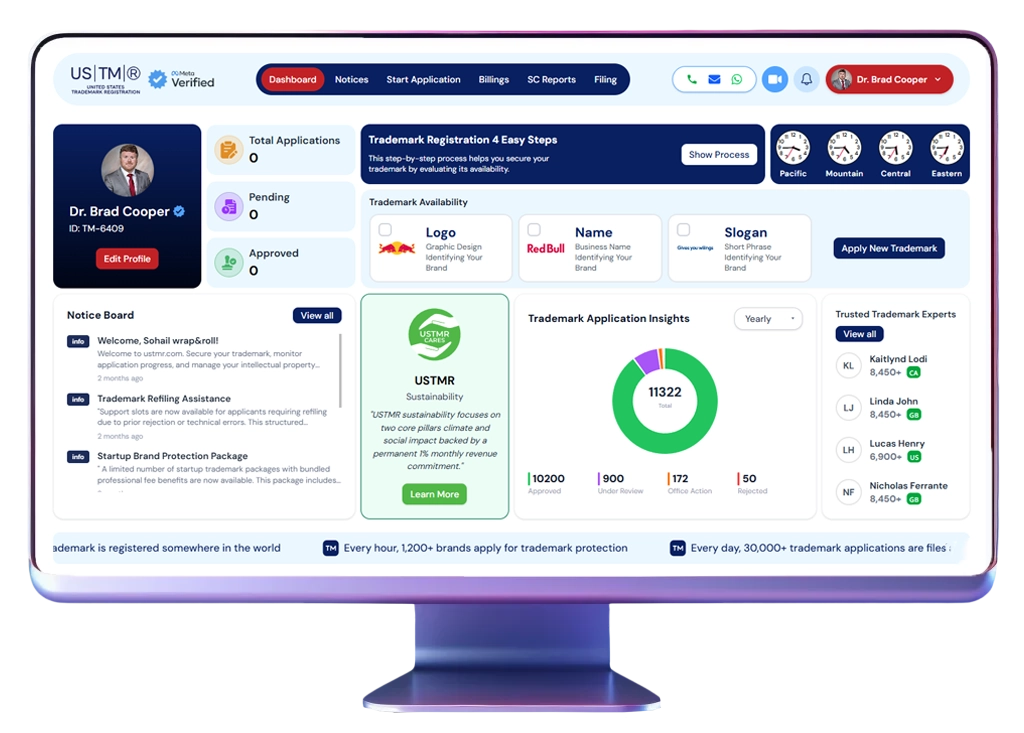
How do we do things differently at USTML?
Typically, monitoring systems send too many notifications. They provide unfiltered information, and business owners can’t tell what’s important.
The USTML approach is different. Our Trademark Monitoring Service is based on understanding, rather than simply identifying.
When a possible conflict arises, it is assessed for:
- Legal similarity risk
- Industry overlap
- Risk of confusion per USPTO rules
- Practical business impact
This is important because not all alerts need to be responded to. But the right ones need to be acted upon ASAP.
It’s not about raising the volume. The goal is to reduce missed threats.
Conclusion
Trademark monitoring isn’t passive. It is an active layer of protection that decides whether brand conflicts are handled early or too late.
Most businesses do not lose trademarks because they have no rights.
They lost them because they discovered too late that someone else was already building under a similar name.
Trademark Monitoring Service changes that timeline.