

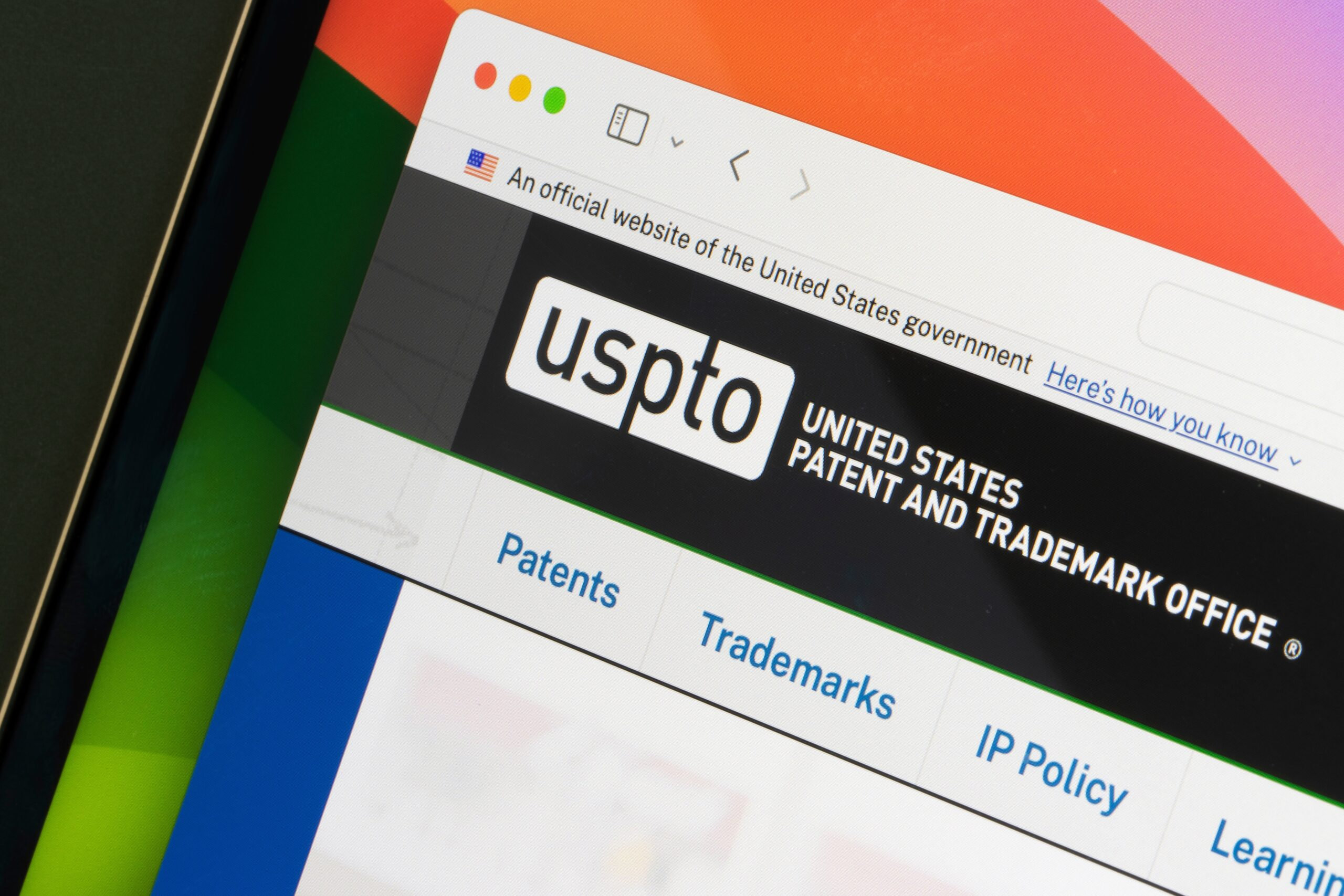
Lisa got an official-looking letter last week. It had the USPTO seal at the top. The language sounded legal and urgent: “Your trademark registration requires immediate action. Failure to respond within 30 days will result in cancellation.”
The letter demanded $895 for “mandatory trademark monitoring services.” She almost paid it. Then she called USTML to ask if it was legitimate.
It wasn’t. It was a scam. And she’s not alone.
The trademark services industry has a massive problem. Scammers are everywhere, preying on business owners who don’t know how the USPTO actually operates. They’re making millions off fake urgency, deceptive pricing, and outright fraud.
Here’s how to protect yourself from losing money to operations that have no intention of actually helping you protect your brand.
The Most Common Trademark Scams
The fake urgency scam starts with something that looks official. A letter or email with USPTO-style formatting. Legal language about deadlines and consequences. A demand for immediate payment to avoid losing your trademark rights.
Real story: A small business owner received an email claiming to be from the USPTO Trademark Division. It said her trademark was about to be cancelled unless she paid $445 for a “mandatory review process.” She paid immediately because she was terrified of losing her brand.
Two months later, she realized nothing had happened. No filing. No service was provided. The “USPTO Trademark Division” email address was actually from a Gmail account with a similar name.
The USPTO will never send urgent payment demands via email. They send official notices through their online system and by physical mail to your attorney of record or directly to you if you filed pro se. They don’t threaten immediate cancellation with a conveniently attached payment link.
The Hidden Fee Trap
This one is harder to spot because it starts legitimately. A trademark registration service advertises filing for $350. That seems reasonable. You sign up and pay.
Then the problems start.
After paying, they tell you that your trademark needs to be filed in three classes, not one. That’s $1,050 in additional fees. Then there’s a “processing fee” of $195. , a “trademark search” for $395 that wasn’t mentioned upfront. Then “monitoring services” at $895 per year, which they claim are required.
You’re now at $2,535 for something advertised at $350.
When you complain, they point to fine print buried in their terms of service. Technically, they disclosed it. But not in any way that an honest business would.
USTML has seen numerous clients come to us after experiencing similar issues with other services. They’ve already lost money. They still don’t have trademark protection. They’re starting over.
The way to avoid this: any legitimate trademark filing service tells you the total cost upfront. USPTO fees plus service fees equals final price. No surprises, hidden charges. No “oh by the way” conversations after you’ve already paid.
The Application Ghost
This scam is particularly insidious because you don’t realize it happened until months later.
You pay for trademark registration. You receive a confirmation email. Everything seems fine. Then you wait. And wait. And wait.
Six months later, you try to check your application status. You can’t find it in the USPTO database. You email the service. No response. You call. The number is disconnected.
They took your money and never filed your trademark. They might have meant to file it and got lazy. Or they were a scam from day one. Either way, your brand has no protection, and your money is gone.
The protection against this: when a trademark is filed, the USPTO assigns a serial number within 24 to 48 hours. Any legitimate service will provide you with that serial number immediately, allowing you to verify the filing yourself on the USPTO website.
If a service can’t provide your serial number within two business days, something is wrong. Either they haven’t actually filed yet, or they’re not going to file at all.
USTML provides serial numbers and filing confirmations within 48 hours. Clients can verify their trademark application directly with the USPTO before trusting.
The Office Action Abandonment
Here’s a scam that technically isn’t fraud but feels like it. A service files your trademark application. They did that part. But then the USPTO issues an office action requesting clarification or rejecting the application.
The service never tells you about the office action. Your six-month response deadline passes. The application is abandoned. You find out months later when you check the status yourself.
When you contact them asking what happened, they say, “We emailed you about it.” They didn’t, or they sent it to an outdated email address and never followed up. Your trademark is dead. They keep your money because they technically filed the application as they promised.
More common version: they tell you about the office action, but charge $1,500 to $3,000 to respond to it. This was never disclosed upfront. You can’t afford it, so your application dies.
The USPTO filing services industry has a 40% office action rate. Meaning four out of ten applications get some kind of rejection or request for more information. Any honest service either includes office action support in their pricing or clearly discloses what it costs as an add-on before you file.
The “Lifetime Support” Upsell Nightmare
Some services advertise trademark filing for cheap, then immediately upsell you on “lifetime support packages.”
You pay $350 for filing. Then they pitch a $1,997 “lifetime trademark protection package” that includes monitoring, renewals, and enforcement support forever.
Sounds reasonable if you’re going to own the trademark for decades. So you pay.
Then the reality hits. The “monitoring” is a monthly email with a generic list of similar trademarks that may or may not actually conflict with yours. The “renewal reminders” are automated emails anyone could set up. The “enforcement support” is a template cease and desist letter.
You paid $1,997 for services worth maybe $200. And when you need actual help with something complex, they charge you additional fees because that’s “outside the scope of the lifetime package.”
The Fake Renewal Notice Scam
This one targets businesses that have already registered trademarks. A company sends an official-looking notice that your trademark renewal is due. They’re not the USPTO, nor your trademark attorney. They’re a third party trying to trick you into paying them instead.
The notices are designed to look like government correspondence. They include your trademark registration number and filing date. They demand payment for renewal services at inflated prices, often $500 to $1,000, when the actual USPTO renewal fee is $425 per class.
Business owners pay because they’re afraid of losing their trademark if they don’t. Then they discover they paid a random company that has no connection to the USPTO and no ability to actually renew their trademark.
The USPTO sends official renewal notices through its online system and by mail. They don’t send texts, they don’t send urgent emails, and they don’t demand immediate payment through third-party websites.
Red Flags That Scream I’m “Scam”
Aggressive urgency tactics. Real trademark services understand that trademark filing is important but rarely life-or-death urgent. Scammers push immediate action and threaten consequences to prevent you from thinking clearly or doing research.
Inability to provide credentials. Legitimate services can tell you their success rates, show you examples of filed trademarks, and provide verifiable client testimonials. Scammers deflect questions or provide vague answers.
No physical address or phone number. Or the address is a PO box, and the phone goes to voicemail that’s never returned. Real businesses have real locations and real people who answer phones.
Payment before consultation. Honest trademark filing experts want to understand your situation before taking your money. They’ll ask about your business, explain the process, and help you understand what you’re buying. Scammers want payment immediately.
Refusal to provide a serial number after filing. The serial number is proof that your trademark was actually filed. Any service that won’t provide it within 48 hours either hasn’t filed or has something to hide.
What Legitimate Trademark Services Actually Do
A real trademark registration service is transparent about pricing. You know exactly what you’re paying for before you pay. USPTO fees and service fees are itemized clearly. No surprises.
They communicate proactively. You receive updates at every milestone. Application filed, examiner assigned, office action received, publication, registration. You’re never left wondering what’s happening.
They provide proof of filing immediately. You get your serial number within 48 hours, so you can verify the trademark yourself on the USPTO database. They tell you what office action support costs are, or include them in their pricing. So, it doesn’t spring on you as a surprise fee.
They educate rather than pressure, but they want you to understand the process. They’ll tell you if your trademark is likely to face problems. They’ll suggest alternatives if your name won’t work. They care about your success, not just your payment.
How to Verify a Trademark Service Before Paying?
Check their reviews on multiple platforms. Google reviews, Better Business Bureau, Trustpilot, and industry-specific review sites. One or two bad reviews are normal. Dozens of complaints about the same issues is a red flag.
Ask for serial numbers from past clients. Any legitimate service can show you examples of trademarks they’ve filed. If they can’t or won’t, that’s suspicious.
Verify their business registration. Look them up with the Secretary of State in their state. Make sure they’re an actual business, not just a website collecting payments.
Ask specific questions and evaluate their answers. How long does filing take? What if there’s an office action? What are the total costs, including USPTO fees? Do they provide serial numbers? Scammers give vague answers or pressure you to pay before answering.
Get everything in writing. Legitimate services put their promises in writing. Pricing, timelines, services included, and refund policies. If they won’t put it in writing, don’t pay them.
What to Do If You’ve Already Been Scammed?
Document everything. Save all emails, receipts, promotional materials, and communications. Screenshot their website. Keep records of promises made and money paid.
File a complaint with the Federal Trade Commission at ftc.gov. They track scams and can take action against companies engaging in deceptive practices.
Report them to the USPTO. While the USPTO doesn’t regulate trademark services, they maintain a list of companies that have engaged in deceptive practices. Your report helps other trademark applicants avoid the same scam.
Dispute the charge with your credit card company if possible. If services weren’t provided as promised, you may be able to get a refund through your credit card’s dispute process.
Start over with a legitimate service. The money you lost is gone, but your brand still needs protection. USTML works with clients who’ve been burned by other services. We help them get actual trademark protection without the games.
No More Trademark Scams
The trademark services industry has a trust problem. Scammers are rampant. Hidden fees are common. Poor service is expected rather than surprising.
This creates an opportunity for businesses that do things right. USTML built its service around transparency, communication, and actually delivering what we promise. Novel concepts in this industry, apparently.
We tell you the total cost upfront and provide serial numbers within 48 hours. We communicate at every milestone. We’re honest about office actions and what they cost. We answer emails and phone calls. We do what we say we’re going to do.
It shouldn’t be revolutionary. It should be basic. But in the trademark industry, basic honesty makes you stand out.
Do your research. Ask questions. Verify credentials. Get everything in writing. And work with a service that treats trademark protection as a professional service, not a money grab.
Need help protecting your brand without the scam tactics? Reach out to USTML, and we’ll shoot you straight about what trademark protection actually costs and what you’re actually getting for your money.