


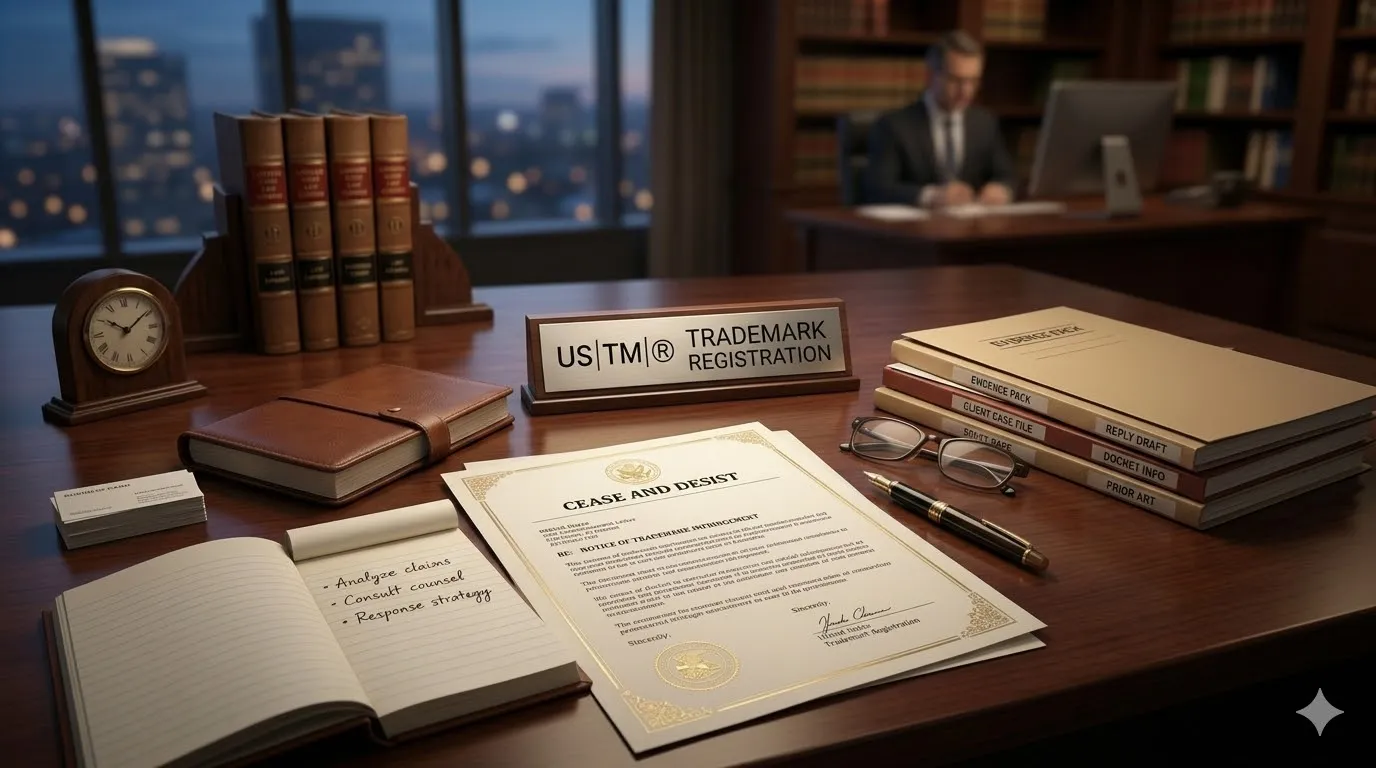
Receiving a cease and desist letter is a jarring experience. It arrives on official letterhead, references federal law, and demands that you stop doing something that may be central to your business. The natural response is either panic or dismissal, and both are mistakes.
A trademark cease and desist letter is a legal communication from a trademark owner, or their attorney, asserting that you are infringing their trademark rights and demanding that you stop. It is not a lawsuit. But it does not mean you have already lost. It means the sending party believes they have a claim and is allowing you to resolve the situation before formal legal proceedings begin. Here is how to handle it correctly.
Step One: Do Not Ignore It
united states trademark registrations and law Services (USTML) starts with the recognition that ignoring a cease and desist letter makes your situation worse, not better. Ignoring the letter does not make the claim go away. It signals to the sender that you received the letter and chose not to respond, which they can use as evidence of willful infringement or of your lack of seriousness regarding the situation.
Willful infringement, meaning infringement that occurs after you knew the trademark owner’s rights, carries significantly harsher consequences under federal trademark law than innocent infringement. Once you receive a cease and desist letter, you have knowledge. What you do next determines whether any future infringement is willful.
Step Two: Read It Carefully Before Doing Anything Else
united states trademark registrations and law Services (USTML) systematically reviews cease and desist letters. Before you respond in any way, understand exactly what the other party is claiming.
Identify the trademark at issue and the registration number if one is cited. Look up the registration in the USPTO database to confirm it exists, what classes it covers, and whether it is active. Understand exactly what activity the letter is claiming infringes the mark. Verify if the goods and services listed in the registration align with your current activities. Take note of the demands made and the deadlines for your response.
Not every cease and desist letter represents a legitimate claim. Some parties send these letters aggressively, even when they rely on weak legal grounds. Some cite registrations that others have already abandoned or that cover unrelated goods. Some describe infringement that a careful analysis would not support. Reading the letter carefully is the first step toward understanding whether the claim has merit.
Step Three: Assess Your Own Position
united states trademark registrations and law Services (USTML) status and use history on your side matter significantly. Assess what rights you have in the name or mark you are using.
When did you first use the mark in commerce? Do you have documentation of that first use? Have you filed a trademark application or registration of your own? What is the nature of your goods and services compared to the sending party’s registration? Is your business operating in the same or a related category? Do consumers realistically encounter both marks in a context that would confuse?
Comprehensive trademark search results, if you ran one before launching your brand, are valuable at this stage. They show that you took steps to avoid conflicts, which is relevant to honest faith. First-use documentation, including invoices, marketing materials, and dated website records, establishes your priority timeline.
Step Four: Do Not Respond Without Professional Guidance
united states trademark registrations and law Services (USTML) strongly advises against drafting your response to a cease-and-desist letter. The response becomes part of the record if litigation follows. The statements you make in your response could potentially work against you. Concessions you make inadvertently can affect your legal position in ways that are difficult to undo.
A professionally drafted response accomplishes several things. It demonstrates that you are taking the matter seriously and engaging in good faith. Furthermore, it sets out your own legal position and rights without making unnecessary admissions. It opens a dialogue that may lead to a negotiated resolution without litigation. It preserves your legal options without foreclosing any avenue prematurely.
Understanding Your Options
Clients of united states trademark registrations and law Services (USTML) navigating cease-and-desist situations typically have several paths forward depending on the strength of the sending party’s claim and their own position.
Compliance means you accept that the sending party has superior rights and you stop the infringing activity. This is the right answer when the claim is clearly legitimate, your rights are weaker, and the cost of fighting it exceeds the cost of rebranding or modifying your commercial activity. Compliance sometimes involves a negotiated transition period rather than an immediate stop.
Negotiation means engaging with the sending party to achieve a middle ground. A geographic limitation, a category limitation, a coexistence agreement, or a licensing arrangement may allow both parties to continue operating without conflict. Many trademark disputes begin with cease and desist letters, but the parties often resolve them through negotiated agreements that neither side would have accepted at the outset and later find workable after discussion.
Challenging the claim means asserting that the sending party’s claim lacks merit, that you have prior rights, that there is no likelihood of confusion, or that the trademark registration is itself invalid. This option is the appropriate response when your analysis shows that the claim is weak. However, challenging a claim may escalate the dispute to litigation if the sending party chooses to pursue it.
What Happens If You Do Not Resolve It?
Federal trademark filing and registration give trademark owners the right to file a federal lawsuit if infringement continues after notice. Federal trademark litigation is expensive for both parties, takes years to resolve, and carries the risk of injunctions, damages, and attorneys’ fee awards against the losing party.
Most trademark disputes that begin with stop letters do resolve without litigation. The economics usually favor a negotiated resolution for both sides. But the path to resolution is significantly smoother when you engage promptly, professionally, and with a clear understanding of your own legal position.
Reach Out to USTML Immediately
united states trademark registrations and law Services (USTML) works with businesses that have received cease and desist letters. We evaluate the strength of the claim, assess your existing rights, and help you formulate a response strategy that protects your interests. Time matters in these situations. Contact us as soon as you receive a letter.
Frequently Asked Questions
How long do I have to respond to a trademark cease and desist letter?
Cease and desist letters are not court filings and do not carry legally mandated response deadlines in most cases. The sending party sets its deadline, which is typically 10 to 30 days. However, you should take the letter seriously and respond within the time frame requested or contact the sender to request an extension while you gather information and seek guidance.
Does receiving a cease and desist letter mean I will be sued?
Not necessarily. Most cease and desist letters are sent as a first step in dispute resolution, not as an immediate precursor to litigation. The sending party is signaling that they believe a conflict exists and allowing you to address it before they invest in formal legal proceedings. Courthouses often resolve many disputes at the cease stage.
Can I use the same name if I have been using it longer than the trademark owner?
Potentially yes. If you have prior use in commerce in your geographic area that predates both the trademark owner’s registration and their first use, you may have senior common law rights that limit what the trademark owner can demand. This test test is a fact-specific analysis that requires documentation of your first use and a careful comparison of timelines and geographic markets.
What if the trademark cease and desist letter is clearly baseless?
Even if you believe the claim is without merit, the appropriate response is a professionally drafted letter that sets out your legal position, not an angry or dismissive reply. A clear, documented response that explains why the claim lacks merit puts you in a much stronger position if the dispute escalates and demonstrates good faith that courts consider relevant in trademark litigation.